Nairobi, December 11-12, 2025
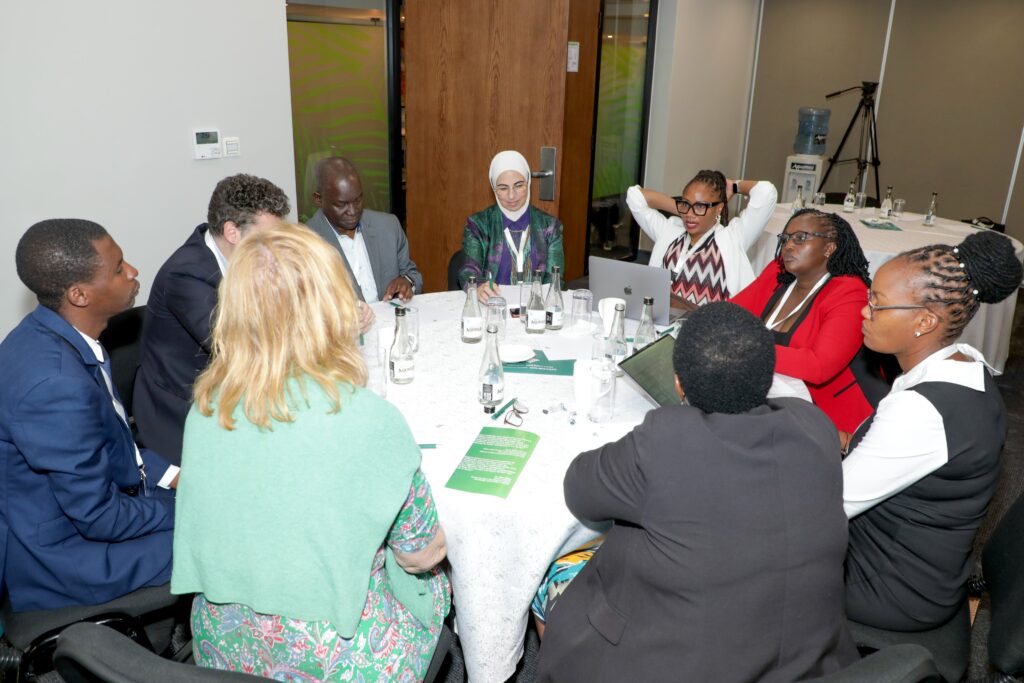
Experts from the AARINENA community actively participated in a regional workshop held in Nairobi, Kenya, on 11–12 December 2025, focusing on the establishment of a Global Network for Neglected and Underutilized Species (NUS) Education and Curriculum Development. The workshop brought together representatives from universities, research institutions, CGIAR centers, and development partners from Africa, Latin America, the Caribbean, and India.
The event aimed to advance discussions on integrating NUS into education, research, and innovation systems as a pathway to improving nutrition, food security, and climate resilience. AARINENA experts contributed their regional perspectives and technical experience, highlighting the importance of NUS in diversified farming systems, sustainable diets, and climate-adaptive agriculture in the Near East and North Africa (NENA) region.
During the workshop, participants discussed the rationale and framework for developing a system-based, open-source curriculum that positions NUS within the full food system—from production and processing to consumption and consumer behavior. AARINENA representatives emphasized the need to address gaps in food composition databases and dietary guidelines, noting that many NUS remain underrepresented despite their high nutritional value and cultural significance.
The Nairobi workshop also served as a platform to outline strategic objectives for the proposed global network, including strengthening institutional capacity, fostering multi-stakeholder collaboration, and enhancing linkages between academia, industry, and policymakers. AARINENA experts underscored the relevance of these objectives for the NENA region, where traditional crops and underutilized species play a vital role in resilience to water scarcity and climate variability.
The outcomes of the workshop will inform the development and piloting of curriculum modules over a 12-month implementation period, with selected universities participating in co-design, testing, and dissemination. AARINENA’s engagement reflects its continued commitment to promoting innovation, knowledge exchange, and sustainable food systems, and to ensuring that the NENA region contributes to and benefits from global initiatives on nutrition-sensitive and inclusive agricultural development.